October 12, 2026
A towing company does more than send a truck when a driver needs help. Behind each service call are dispatch decisions, vehicle and equipment considerations, driver training, and ongoing fleet maintenance. Understanding these moving parts provides a clearer picture of how towing operations support drivers and keep vehicle transportation organized.
According to LookupAPlate, an average tow truck business in America employs about five people. This figure highlights how many towing operations rely on a relatively small group of employees to coordinate calls, operate equipment, and provide services. Even smaller operations need organized processes to respond to different vehicle and transportation needs.
Serving drivers throughout the day and night requires careful coordination. Emergency calls, routine vehicle transport, accident recovery, and larger hauling jobs can each require different equipment and planning. A well-organized operation helps match the right resources to each request and keeps services moving efficiently.
Providing Different Towing Services
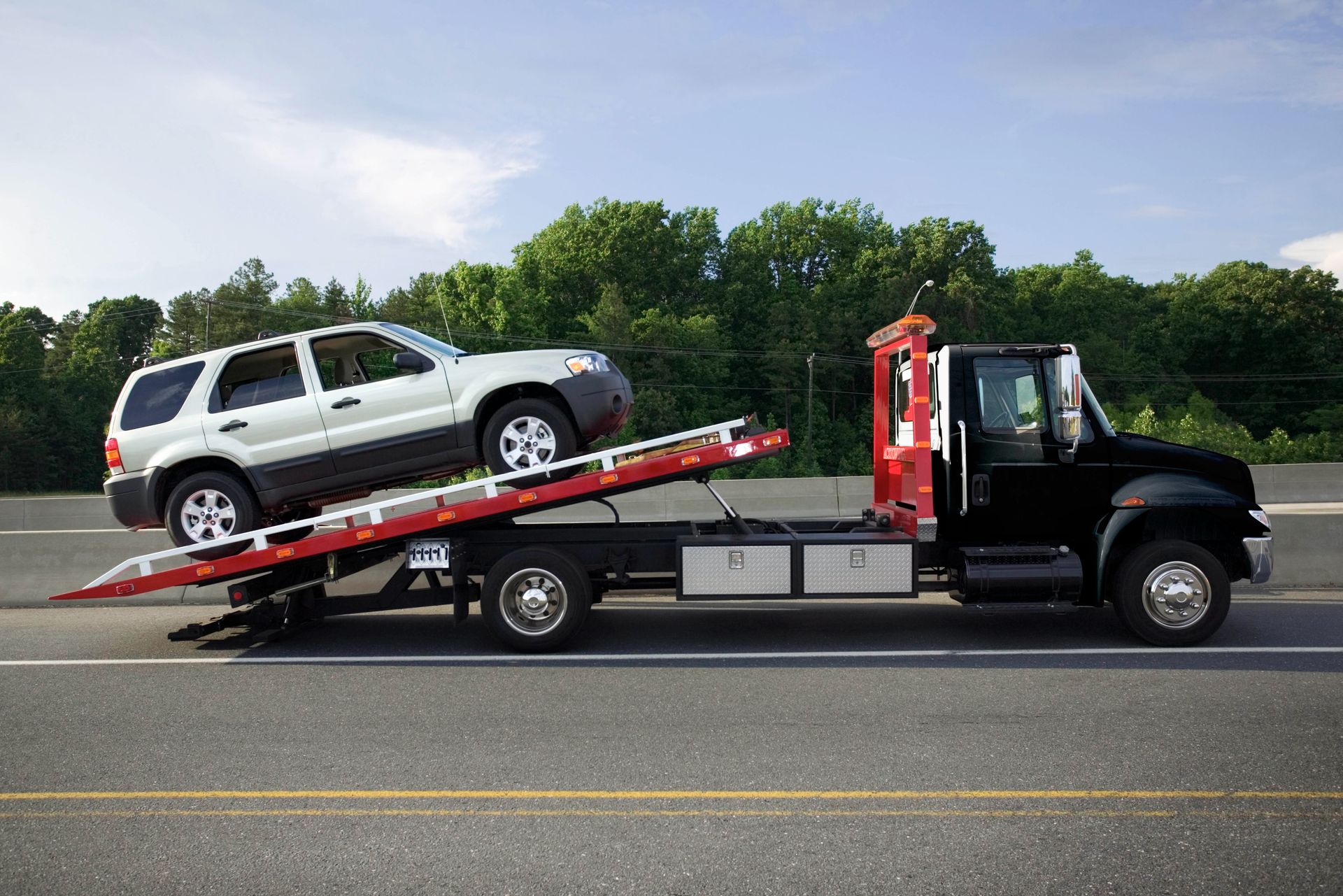
A towing company can handle a range of vehicles and situations, from passenger cars and motorcycles to commercial vehicles and larger equipment. Light-duty towing can help move cars and light trucks, while medium- and heavy-duty services accommodate larger vehicles. Flatbed towing provides another option for vehicles that need to be transported on a raised platform.
Roadside assistance can also be part of a towing operation. Services can include jump-starts, tire changes, fuel delivery, lockout assistance, and other common roadside needs. Offering several types of assistance allows drivers to receive help for different problems without requiring a separate service provider.
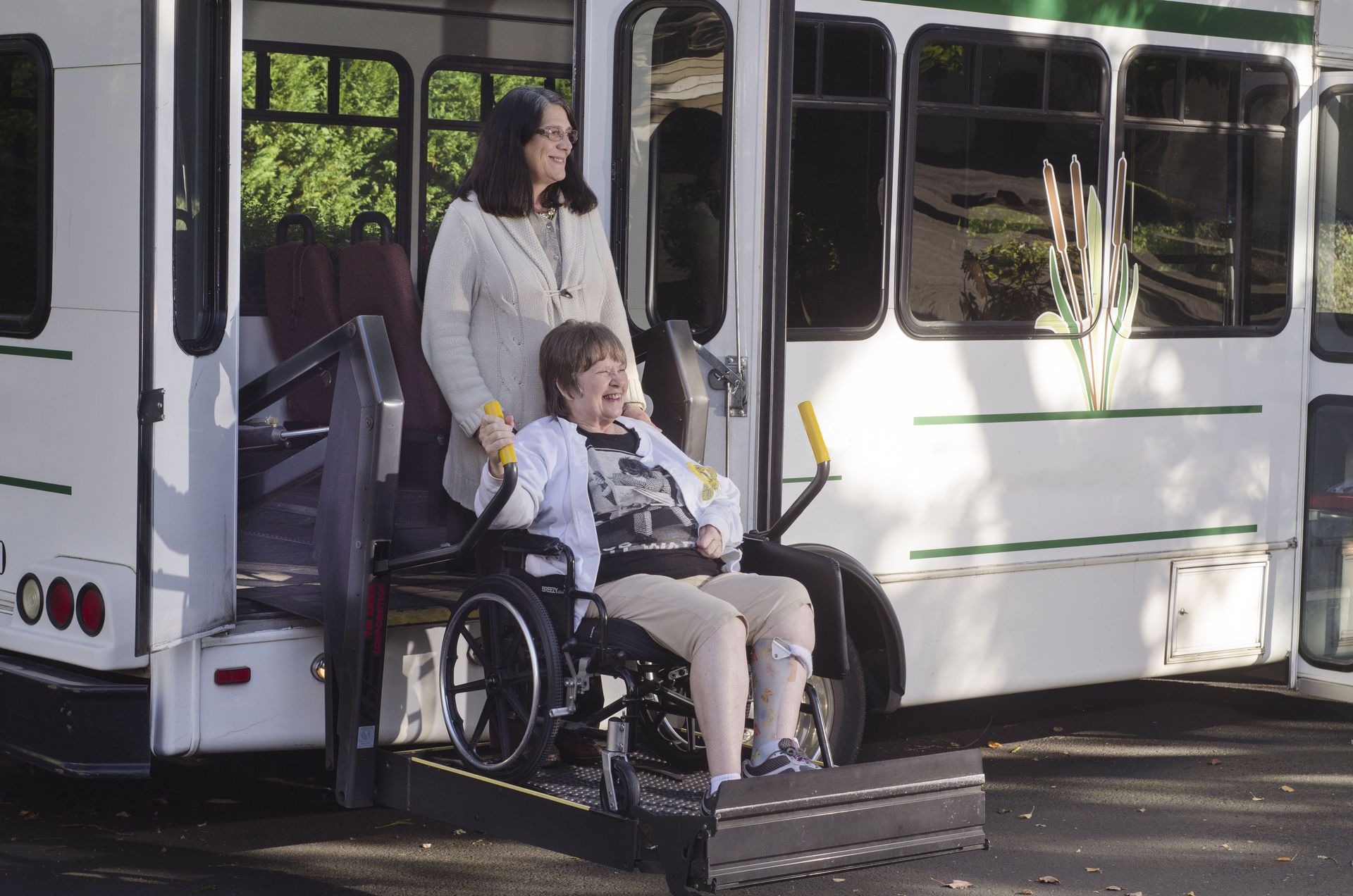
Specialty towing requires additional planning based on the vehicle involved. Motorcycles, luxury vehicles, boats, RVs, buses, and other specialty vehicles can have different transportation requirements. Selecting suitable equipment and using appropriate procedures can help support safe vehicle handling.
Coordinating Calls and Drivers
Dispatch is an important part of how a towing company functions. When a customer calls, the dispatcher needs to gather information about the vehicle, location, situation, and requested service. These details help determine which driver and type of equipment are appropriate for the job.
Communication continues after a driver receives an assignment. Dispatchers can provide location details, customer information, and service instructions, while drivers can provide updates from the road or at the scene. Keeping information moving between the customer, dispatcher, and driver helps reduce confusion and support efficient service.
Emergency calls can require additional attention because a vehicle might be disabled in an unsafe location or involved in an accident. Dispatchers need to account for the nature of the situation and available equipment when coordinating a response. Clear communication can help drivers arrive prepared for the circumstances they are expected to handle.
Maintaining a Diverse Fleet
A towing company depends on having equipment suited to different types of service calls. Light-duty tow trucks can handle passenger vehicles, while larger trucks and specialized trailers can support commercial vehicles, buses, RVs, and heavy equipment. Flatbed trucks provide another transport option for vehicles that benefit from being carried on a raised deck.
Fleet maintenance is another important behind-the-scenes responsibility. Tow trucks and trailers need regular inspections and servicing to stay prepared for scheduled and emergency calls. Maintaining equipment can also help identify mechanical concerns before they interfere with service.
Equipment selection can vary based on the type of work a towing business performs. A company handling commercial transport needs different resources than one focused only on passenger vehicles. Maintaining a varied fleet can give operators more flexibility when responding to different customer requests.
Training and Preparing Drivers
Drivers need practical knowledge to operate towing equipment and handle vehicles safely. Their responsibilities can include positioning a truck, securing a vehicle, operating lifting equipment, and navigating roads with a load. Appropriate knowledge helps drivers understand the procedures involved in different types of towing and recovery work.
Ongoing education can also help drivers stay current with equipment and industry practices. This is particularly relevant when a fleet includes different truck types, trailers, and specialized equipment. Continued training supports consistent service as vehicles and towing technology change.
Experience can also matter when a job involves unusual circumstances. Accident recovery, specialty vehicle transport, and heavy-duty hauling can present different challenges than a standard vehicle tow. Having trained drivers who understand the equipment available to them helps an operation respond to a broader range of service requests.
Managing Emergency Response
Emergency towing is an important part of many towing operations. Vehicle breakdowns and accidents can happen at any hour, so dispatch and driver availability need to support service outside a traditional business schedule. A 24-hour operation requires coordination between incoming calls, available drivers, and equipment.
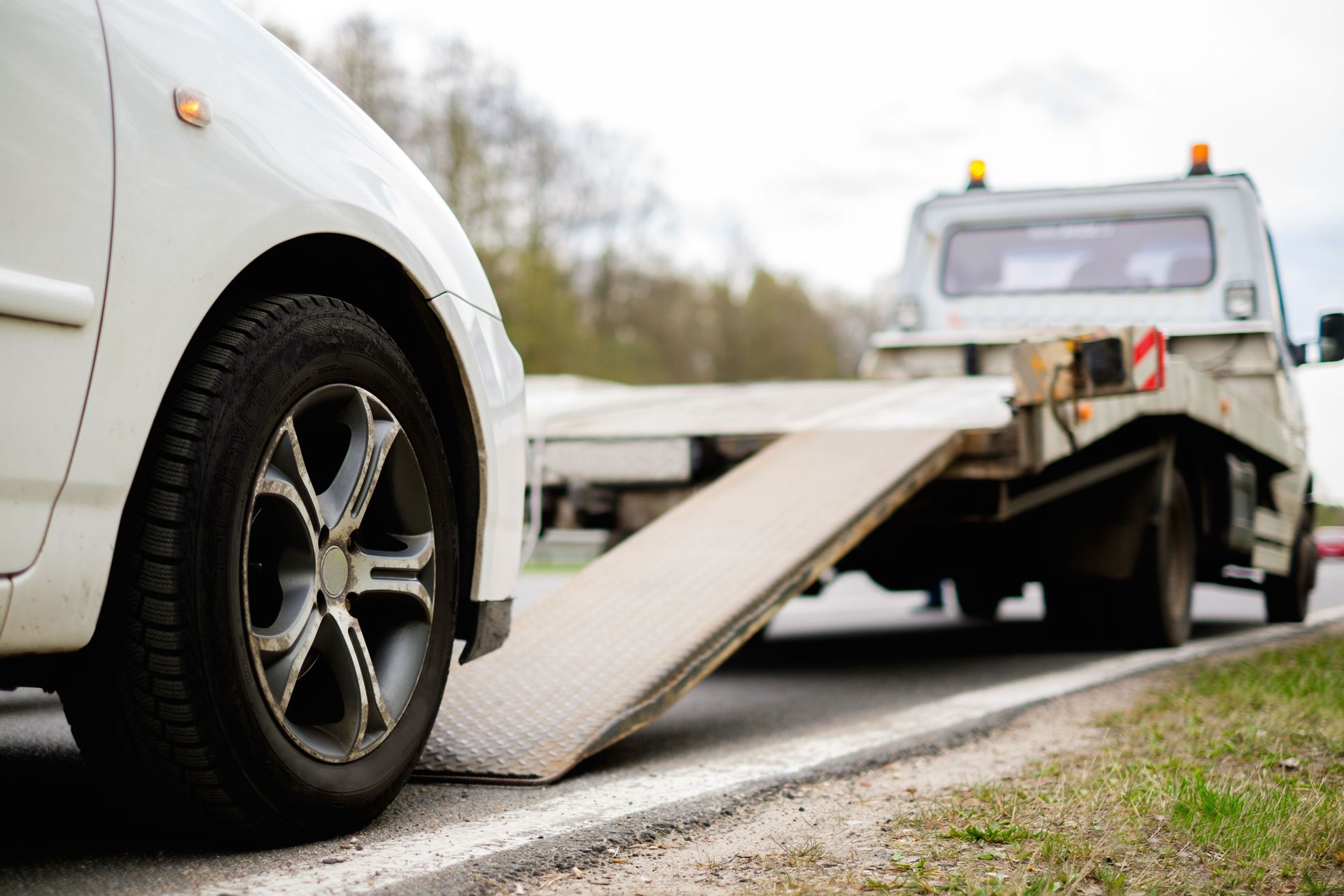
Accident recovery can require additional care because the vehicle might be damaged or positioned in a difficult location. Drivers need to assess the situation and use appropriate recovery equipment based on the circumstances. The goal is to move the vehicle safely and efficiently while accounting for the surrounding conditions.
Roadside assistance can address smaller issues that do not always require a full tow. Jump-starts, tire changes, fuel delivery, and lockout services can help drivers resolve common problems at the roadside. These services give towing operations another way to assist motorists when a vehicle cannot continue normally.
Handling Specialty Transport
Some towing operations also handle larger transportation needs. Heavy-duty transport can involve construction equipment, industrial machinery, agricultural vehicles, buses, RVs, tractor-trailers, and other large loads. These jobs require equipment and planning that differ from standard passenger vehicle towing.
Specialty transport can involve vehicles that require particular handling or equipment. Motorcycles, boats, luxury vehicles, and other unique vehicles can have different loading and securing considerations. Matching the transport method to the vehicle helps support a careful and organized process.
Long-distance transport can add another layer of planning. Drivers and dispatchers need to consider the route, equipment, scheduling, and destination before a vehicle begins its journey. Careful preparation can help keep larger transportation jobs organized from pickup through delivery.
Supporting Drivers and Businesses
A towing company can serve both individual motorists and businesses with transportation needs. Local drivers might need emergency assistance after a breakdown, while businesses can require towing or transport for commercial vehicles and equipment. Serving different customers requires flexibility and the ability to handle a range of vehicles.
Towing services can also work alongside other automotive and transportation businesses. A disabled vehicle might need to be moved to a repair facility, while a commercial vehicle or piece of equipment could need transport to another location. Coordinating the move based on the customer's needs helps keep the process organized.
Clear communication is important throughout these interactions. Customers need accurate information about the requested service, while drivers need the details required to complete the job. Keeping everyone informed can help reduce delays and make the overall experience more straightforward.
Technology can help a towing company coordinate vehicles, drivers, and customer requests. GPS tools and dispatch systems can provide location information and help teams keep track of active service calls. These tools can support communication without replacing the experience and judgment of drivers.
Operational improvements can also come from regular equipment maintenance and driver education. Reviewing service processes can help identify opportunities to improve scheduling, communication, and fleet readiness. Small improvements across these areas can support a more consistent customer experience.
For customers, the most important part of these behind-the-scenes efforts is receiving appropriate assistance when it is needed. A well-prepared operation can respond to everyday towing needs, roadside situations, accident recovery, specialty transportation, and larger hauling requests. Contact Blues City Towing LLC today to learn more about available towing services.